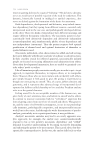
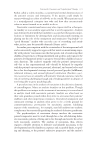
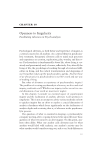
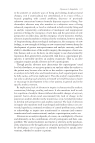
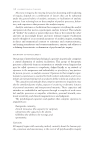
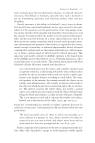
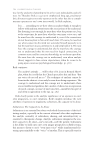
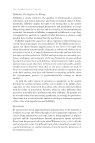
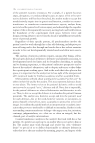
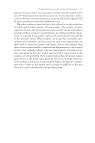
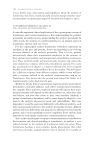
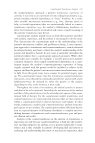
self-actualization, 83, 90–91, 222n5 self-alienation, 116–18 self-centeredness, 112–13, 143 self-concept, 70 self-disclosure, 33 self-esteem: of analyst, 148 approval and, 73 core deficit in, 209 grandiosity and, 113 narcissism and, 119, 147 self-actualization and, 101 self-realiza- tion and, 96–98 shifts in, 171 self-fulfillment: anxiety and, 96–97 barri- ers to, 86 narcissism vs., 101–103 power motive in, 222n5 relational inti- macy and, 92–93 self-esteem and, 101 unfulfillment, 78–79, 88 Wolstein on, 27, 78, 79 yearning for, 78–79, 89–90 self-inflation. See grandiosity self-object relatedness, 27, 73–74, 107 self-realization, 96–98 self-transformation, 207, 211 separation anxiety, 80–81 sexuality, 75–76, 186, 222n4 shamed child, 120–21 shamed experience, 142 Shaw, D., 215 significance, 103 Singer, Erwin: on analyst self-revelation, 203 on curiosity, 160 on personal self, 79 on progressive motivation, 82 on transference, 188–190 singularity, 103, 158–60. See also open- ness to singularity social-psychological paradigms, 2 solitariness, 162–63 special child, 122–23 spoiled child, 121–22 spontaneity, 164–65 spurned child, 123–24 stagnation, psychic, 90 Stanton, M., 46, 48 stereotyped inquiry, 166 Stern, D. B., 160, 197, 215 Stern, D. N., 77 Stolorow, Robert, 12, 61, 197, 215 Stone, Leo, 41 Sullivan, Harry Stack: on analytic author- ity, 54–55, 197 on analytic interpreta- tions, 200 on anxiety, 72–74, 80, 94, 169–70 on drive to mental health, 88 on extratransference inquiry, 221n2 hysteric categories, 111 influence of, 53 interpersonal field theory, 22, 24, 50, 55 on interpersonal self, 12, 26–27, 72–74, 222n2 on intimacy, 76–77 on lust, 76 neglect of transfer- ence and countertransference, 54 on openness to singularity, 168 on opera- tionalism, 79 on participant-observa- tion, 18, 19, 51–53 personality theory, 219n2 on power motive, 222n5 on reflexive self, 71–72 on release of defensiveness, 173 on self-centered- ness, 112–13 on self-esteem, 101 The- orem of Escape, 181 surprise, 160–62 Symington, Neville, 60 sympathy, preying on, 171 syntaxic experience, 37, 219n2 systems therapy, 24–25 Tauber, Edward, 53, 54 Tenzer, A., 204 Theorem of Escape, 181 therapeutic action, psychoanalytic, 213–16 therapeutic aliveness. See aliveness, psy- chological Thompson, Clara: on analytic theory, 2 on anxiety, 80, 90 Ferenczi influence on, 48 on interpersonal self, 79, 214 on narcissism, 103 on tendency to develop and grow, 88 timidity, 147–48 transactive communication, 191 transference: analytic resistance and, 194 apprehension and anxiety in, 95–96 as countertransference reciprocal, 185, 187 defined, 184 dependency in, 186 distortion, 197–99 enactments in, 192 as field process, 22–24, 52 Freud on, 44, 54 generalizations from experi- ence, 188–90 hostility in, 23 inter- locks in, 130 interpretations, 199–200 intersubjectivity in, 61 introjective, 130, 144 multiple modalities in, 190–92 in narcissism, 107–108, 132–33, 139 patient expansion of, 29 philosophy of inquiry and, 127 relat- edness in, 87, 105, 186 sexuality in, 186. See also coparticipant transference analysis countertransference transformed analyst, 25 trauma, narcissistic, 145 traumatic disillusionment, 146 traumatic illusionment, 146 true desire, 182 uncivilized child, 121 unfulfillment. See self-fulfillment verbal narratives, 191 White, Robert, 82 Wilner, Warren, 53 Index 241
(c) 2026 Columbia University Press. All Rights reserved.